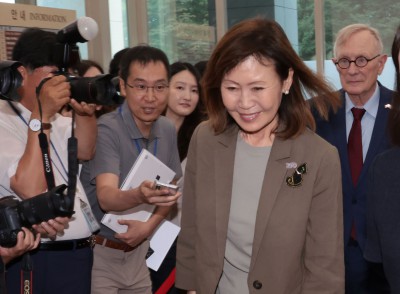


[뉴스핌=김사헌 기자] 윤증현 기획재정부 장관은 한국 경제가 회복 조짐을 보이고 있지만 아직 안심하기엔 이르며, 경기 바닥은 세계 경제와 마찬가지로 올해 말이나 내년 초가 될 것으로 전망했다.
윤 장관은 20일 미국 CNN과 인터뷰에서 "어려웠던 지난 수개월 이후 한국 경제가 회복 조짐을 보이고 있다"면서, "긍정적인 요소와 부정적인 요소가 공존하는 현 상황에 대해 낙관하기에는 아직 이르며 세계 경제를 자세히 관찰해야 한다"며 이 같이 말했다.
그는 경기 바닥 여부에 대해서는 "세계 경제가 올해 말 또는 내년 초에 바닥에 이를 것이라는 의견이 통설"이라면서, "한국 경제는 대외 의존도가 매우 높기 때문에 이러한 추세를 피해가기는 어려울 것으로 생각한다"고 말했다.
외화 유동성 문제에 대해 윤 장관은 "현재 한국의 외화보유액은 2천 60억 달러이며 1년 만기 외채는 1천 500억 달러로 모든 외채를 한 번에 상환하는 경우가 발생해도 충분한 수준"이라면서 "또한 이번 외평채 발행으로 한국의 상환능력에 대해 국제사회가 확신을 하고 있다고 평가한다"고 대답했다.
향후 현안에 대해 묻자 한국은 수출 의존도가 높아 이런 경제의 체질 변화가 시급하다고 대답했다.
윤증현 장관은 "한국의 수출 의존도는 매우 높은 편이며 해외에서 경제위기가 발생하면 한국 경제에 직접적인 영향을 줄 것"이라면서 "한국은 국내 시장을 성장시켜 이같은 약점을 보완해야 한다"고 강조했다.
한국에서 보호무역주의가 출현할 가능성에 대해선 "그러한 현상은 나타나지 않을 것"이라면서 "한국에서는 오히려 보호무역주의가 극복해야 할 요소"라고 덧붙였다.
아래는 윤 장관의 CNN과의 인터뷰 전문이다.
(영문)
Christie (News Anchor): Around the kitchen table in South Korea, there’s a saying, “After the rainfall, the ground gets tougher.”
The same goes for the nation’s economy, says the financial minister Yoon Jeung Hyun.
Over lunch, the minister told me after a few rough months, the economy is starting to show signs of recovery. Factory production is up, the balance of trade is healthy, and the government sold 3 billion dollars in bonds overseas, 50% more than they had planned.
Yet, he said the nation isn’t out of the woods just yet.
Minister (Interviewee): It’s too early to be optimistic about the situation, because we see a mixture of positive and negative factors. Therefore, from the government’s perspective, we think we still need to closely monitor the world economy.
Eunice (Interviewer): Is.. is this the bottom? Do you think the economy is bottoming out?
Minister: The common view is that the world economy will bottom out at the end of this year, or early next year. Since the Korean economy relies heavily on external factors, I think it would be difficult for our economy not to follow that trend.
Eunice: Overseas there’s still concern about South Korea’s external debts, that the country is too exposed to the credit market, and that it might not have enough currency reserves to pay back that debt. Are those fears justified?
Minister: We have 206 billion US dollars. And if you look at the debt that is mature or becoming mature in the next one year or so, it is 150 billion. So even if we needed to pay off all of that debt at once, we would still have sufficient reserves to cover that. Also, I think the international confidence in our ability to pay has been well shown through the global bonds that we recently issued.
Eunice: What keeps you up at night? What are you most worried about?
Minister: We depend a significant portion on exports. Therefore crisis breaks out outside of Korea, that will directly impact the economy. So one of the things I worry about the most is how we can grow our domestic market to reduce our vulnerability.
Eunice: I’ve noticed that in some of the restaurants, on the menus, next to the word kimchi, or next to the word beef, it says “Made in Korea.” Are you concerned at all that protectionism could be on the rise in this economic climate.
Minister: I don’t think this will be something that emerges, because for a country like South Korea that depends highly on exports, trade protectionism is something that we actually want to overcome.
Eunice: And Christie, to build the domestic market, the finance minister told me that the priority is to create jobs, especially in the service sector.
※ 출처: 기획재정부
윤 장관은 20일 미국 CNN과 인터뷰에서 "어려웠던 지난 수개월 이후 한국 경제가 회복 조짐을 보이고 있다"면서, "긍정적인 요소와 부정적인 요소가 공존하는 현 상황에 대해 낙관하기에는 아직 이르며 세계 경제를 자세히 관찰해야 한다"며 이 같이 말했다.
그는 경기 바닥 여부에 대해서는 "세계 경제가 올해 말 또는 내년 초에 바닥에 이를 것이라는 의견이 통설"이라면서, "한국 경제는 대외 의존도가 매우 높기 때문에 이러한 추세를 피해가기는 어려울 것으로 생각한다"고 말했다.
외화 유동성 문제에 대해 윤 장관은 "현재 한국의 외화보유액은 2천 60억 달러이며 1년 만기 외채는 1천 500억 달러로 모든 외채를 한 번에 상환하는 경우가 발생해도 충분한 수준"이라면서 "또한 이번 외평채 발행으로 한국의 상환능력에 대해 국제사회가 확신을 하고 있다고 평가한다"고 대답했다.
향후 현안에 대해 묻자 한국은 수출 의존도가 높아 이런 경제의 체질 변화가 시급하다고 대답했다.
윤증현 장관은 "한국의 수출 의존도는 매우 높은 편이며 해외에서 경제위기가 발생하면 한국 경제에 직접적인 영향을 줄 것"이라면서 "한국은 국내 시장을 성장시켜 이같은 약점을 보완해야 한다"고 강조했다.
한국에서 보호무역주의가 출현할 가능성에 대해선 "그러한 현상은 나타나지 않을 것"이라면서 "한국에서는 오히려 보호무역주의가 극복해야 할 요소"라고 덧붙였다.
아래는 윤 장관의 CNN과의 인터뷰 전문이다.
(영문)
Christie (News Anchor): Around the kitchen table in South Korea, there’s a saying, “After the rainfall, the ground gets tougher.”
The same goes for the nation’s economy, says the financial minister Yoon Jeung Hyun.
Over lunch, the minister told me after a few rough months, the economy is starting to show signs of recovery. Factory production is up, the balance of trade is healthy, and the government sold 3 billion dollars in bonds overseas, 50% more than they had planned.
Yet, he said the nation isn’t out of the woods just yet.
Minister (Interviewee): It’s too early to be optimistic about the situation, because we see a mixture of positive and negative factors. Therefore, from the government’s perspective, we think we still need to closely monitor the world economy.
Eunice (Interviewer): Is.. is this the bottom? Do you think the economy is bottoming out?
Minister: The common view is that the world economy will bottom out at the end of this year, or early next year. Since the Korean economy relies heavily on external factors, I think it would be difficult for our economy not to follow that trend.
Eunice: Overseas there’s still concern about South Korea’s external debts, that the country is too exposed to the credit market, and that it might not have enough currency reserves to pay back that debt. Are those fears justified?
Minister: We have 206 billion US dollars. And if you look at the debt that is mature or becoming mature in the next one year or so, it is 150 billion. So even if we needed to pay off all of that debt at once, we would still have sufficient reserves to cover that. Also, I think the international confidence in our ability to pay has been well shown through the global bonds that we recently issued.
Eunice: What keeps you up at night? What are you most worried about?
Minister: We depend a significant portion on exports. Therefore crisis breaks out outside of Korea, that will directly impact the economy. So one of the things I worry about the most is how we can grow our domestic market to reduce our vulnerability.
Eunice: I’ve noticed that in some of the restaurants, on the menus, next to the word kimchi, or next to the word beef, it says “Made in Korea.” Are you concerned at all that protectionism could be on the rise in this economic climate.
Minister: I don’t think this will be something that emerges, because for a country like South Korea that depends highly on exports, trade protectionism is something that we actually want to overcome.
Eunice: And Christie, to build the domestic market, the finance minister told me that the priority is to create jobs, especially in the service sector.
※ 출처: 기획재정부