
ECB 정책성명서3 August 2006 - Monetary policy decisionsAt today’s meeting, the Governing Council of the ECB took the following monetary policy decisions: The minimum bid rate on the main refinancing operations of the Eurosystem will be increased by 25 basis points to 3.0%, starting from the operation to be settled on 9 August 2006. The interest rate on the marginal lending facility will be increased by 25 basis points to 4.0%, with effect from 9 August 2006. The interest rate on the deposit facility will be increased by 25 basis points to 2.0%, with effect from 9 August 2006. The President of the ECB will comment on the considerations underlying these decisions at a press conference starting at 2.30 p.m. (CET) today.ECB총재 기자회견 도입성명Introductory statementLadies and gentlemen, the Vice-president and I are very pleased to welcome you to this press conference to report on the outcome of today's meeting of the Governing Council. The meeting was also attended by Commissioner Almunia. At today's meeting, we decided to increase the key ECB interest rates by 25 basis points. This decision reflects the upside risks to price stability over the medium term that we have identified through both our economic and monetary analyses. It will contribute to ensuring that medium to longer-term inflation expectations in the euro area remain solidly anchored at levels consistent with price stability. As stressed on previous occasions, such anchoring is a prerequisite for monetary policy to make an ongoing contribution towards supporting economic growth and job creation in the euro area. Also after today's increase, the key ECB interest rates remain low in both real and nominal terms, money and credit growth remain strong, and liquidity in the euro area is ample by all plausible measures. Our monetary policy therefore continues to be accommodative. If our assumptions and baseline scenario are confirmed, a progressive withdrawal of monetary accommodation will be warranted. Against this background, we will continue to monitor very closely all developments so as to ensure price stability over the medium and longer term. Allow me to explain our assessment in greater detail, starting with the economic analysis. The main indicators of economic activity that have become available since the July press conference have tended to confirm our baseline scenario for economic growth in the euro area. Eurostat's second release verified that, in the first quarter of 2006, real GDP grew by 0.6% on a quarter-on-quarter basis. Economic activity is also becoming more broadly based on domestic demand. Moreover, the currently available information on economic activity in the second quarter - such as various confidence surveys and monthly indicators - supports the view that economic growth has continued at a sustained pace. The survey information so far available for the third quarter is also in line with our baseline scenario. Looking further ahead, the conditions are in place for real GDP in the euro area to grow at around its potential rate, as projected by Eurosystem staff in June. Growth in the economies of the euro area's main trading partners is providing ongoing support for euro area exports. Investment growth is expected to continue benefiting from favorable financing conditions, corporate balance sheet restructuring, and improvements in earnings and business efficiency. Consumption growth should continue to strengthen gradually over time, in line with developments in employment growth and hence real disposable income. This generally favorable outlook for economic activity in the euro area is also reflected in forecasts by international organizations and private sector institutions. Risks to the outlook for economic growth are broadly balanced over the shorter term, although recent geopolitical tensions and their impact on markets are a timely reminder of the uncertainties that we face. Medium to longer-term risks lie on the downside and relate in particular to the potential for further oil price rises, a disorderly unwinding of global imbalances and protectionist pressures, especially after the suspension of the Doha Round of trade talks. Turning to price developments, according to Eurostat's flash estimate, annual HICP inflation was 2.5% in July 2006, unchanged from June and May. In the second half of 2006 and on average in 2007, inflation rates are likely to remain above 2%, the precise levels depending very much on future energy price developments. While the moderate evolution of labor costs in the euro area is expected to continue in 2007 - also reflecting ongoing global competitive pressures, particularly in the manufacturing sector - indirect effects of past oil price increases and already announced changes in indirect taxes are expected to exert a significant upward effect on inflation in the course of next year. Against this background, it is crucial that the social partners continue to meet their responsibilities. Risks to the outlook for price developments have augmented and include further increases in oil prices, a stronger passthrough of past oil price rises into consumer prices than currently anticipated, additional increases in administered prices and indirect taxes, and - more fundamentally - stronger than expected wage and price developments owing to second-round effects of past oil price increases at a time of gradually improving labor markets. Regarding prospects for inflation over medium to longer horizons, our assessment that upside risks to price stability prevail is confirmed by the monetary analysis. While the data for June 2006 show some moderation in the annual growth rate of M3, these latest developments remain consistent with a persistent upward trend in the underlying rate of monetary expansion since mid-2004. The stimulative impact of the low level of interest rates in the euro area has been an important factor behind the tendency for money and credit growth to strengthen over recent quarters. Looking at the counterparts of M3, the expansion of credit to the private sector remains the main driver of monetary dynamics. On an annual basis, loans to the private sector as a whole have continued to increase at double-digit rates over recent months, with borrowing both by households and by non-financial corporations rising rapidly. Ongoing strong lending to households continues to be explained, in particular, by borrowing for house purchases. The dynamic growth of money and credit, in an environment of already ample liquidity, points to increased upside risks to price stability at medium to longer horizons. Monetary developments therefore require careful monitoring, particularly in the light of strong dynamics in housing markets. To sum up, annual inflation rates are expected to remain elevated, at above 2% on average, in 2006 and 2007, with risks to this outlook on the upside. Given strong monetary and credit growth in a context of ample liquidity, a cross-check of the outcome of the economic analysis with that of the monetary analysis confirms that upside risks to price stability prevail over the medium term. A further adjustment of interest rates was therefore warranted. By acting today in a timely fashion, the Governing Council is helping to anchor medium and long-term inflation expectations at levels consistent with price stability, thereby making an ongoing contribution to sustainable economic growth and job creation. Looking ahead, given that our monetary policy continues to be accommodative, a progressive withdrawal of monetary accommodation will be warranted if our assumptions and baseline scenario are confirmed. The Governing Council will continue to monitor very closely all developments so as to ensure that risks to price stability do not materialize. Concerning fiscal policies, given the outlook for economic growth, it is of crucial importance that euro area governments avoid pro-cyclical policies and step up the pace of fiscal consolidation. As budgetary targets for the current year are not particularly ambitious, a rigorous implementation of plans on the expenditure side is especially warranted, and any additional windfall revenues are best used for deficit reduction. Beyond the implementation of such prudent policies in the remainder of this year, the medium-term focus of fiscal policies should be on correcting the underlying sources of imbalances in public finances. Euro area governments, many of which are now finalizing their budget plans for 2007, should take full advantage of the economic environment to bring forward the structural adjustment necessary for the durable correction of excessive deficits, so as to reach their medium-term budgetary objectives at an early stage and thereby prepare public finances for the acute demographic challenges they must cope with. As regards structural reforms, it is essential, for Europe's future, to ensure that it has a fully operational Internal Market, allowing a free flow of labor and capital and free trade in goods and services. Removing the remaining barriers within the E.U. will be a powerful means to promote the efficient allocation of factors of production as well as deeper economic and financial integration. This in turn would allow the E.U. to realize its substantial potential for stronger output and employment growth and to increase its resilience to shocks. Exploiting the opportunities of the Single Market will help to safeguard the prosperity of the citizens of Europe. For those Member States which have fulfilled the convergence criteria laid down by the Treaty and participate in the euro area, the considerable benefits of the Internal Market are further enhanced by the single currency, which offers them a credible framework for monetary policy and price stability in an environment characterized by the absence of exchange rate uncertainty within the euro area, low long-term interest rates, price and cost transparency, reduced transaction and information costs and stronger insurance against economic and financial instability. In this respect, the further enlargement of the euro area on 1 January 2007 with the entry of Slovenia will be a new historical landmark. In order to fully reap the advantages of the euro and to allow adjustment mechanisms to operate efficiently within the enlarged currency area, it will be necessary to fully integrate Slovenia into Economic and Monetary Union, which calls for all remaining barriers to be removed, including those related to labor mobility. Indeed, open, competitive and flexible markets are of particular importance for the functioning of the euro area economy and the smooth conduct of the single monetary policy. For its part, the Governing Council has undertaken all the necessary preparations to make Banka Slovenije an integral part of the Eurosystem. We are now at your disposal for questions.

[관련키워드]

[뉴스핌 베스트 기사]
 사진
사진
위고비에 도전한 새 비만약 '에페' 가격은?
[서울=뉴스핌] 김신영 기자 = 한미약품의 국산 비만 신약 '에페'가 위고비와 마운자로가 86%를 장악한 국내 비만치료제 시장에 뛰어든다. 후발주자인 만큼 자체 생산을 통한 가격 경쟁력과 국내 환자 임상 데이터, 기존 병·의원 영업망을 앞세워 선발 제품 중심의 처방 시장을 파고든다는 전략이다.
관건은 가격 이외의 경쟁력을 실제 처방 전환으로 연결할 수 있느냐다. 위고비와 마운자로는 글로벌 시장에서 이미 높은 인지도와 장기간의 처방 경험을 쌓은 데다 대표 임상에서 높은 체중 감량 효과를 제시했다. 에페가 연매출 1000억원 목표를 달성하려면 가격에 민감한 신규 수요를 확보하는 동시에 기존 GLP-1 치료제 사용자의 선택까지 끌어와야 한다.
17일 제약·바이오업계에 따르면 한미약품은 오는 10월 식품의약품안전처 품목허가를 목표로 에페(성분명 에페글레나타이드) 출시를 준비하고 있다. 허가 이후 연내 출시가 목표다.
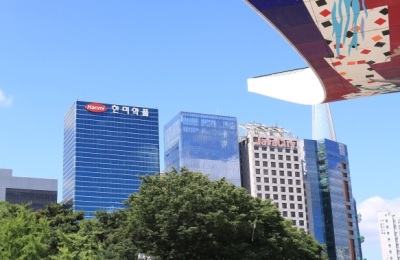
한미약품 본사 전경 [사진=한미약품]
◆ 가격 경쟁력 갖췄지만…출시 이후 기존 제품 인하 변수
에페는 한미약품이 자체 개발한 주 1회 투여 글루카곤 유사 펩타이드(GLP-1) 계열 비만치료제다. 약물이 체내에서 오래 작용하도록 한 한미약품의 지속형 플랫폼 기술 '랩스커버리'가 적용됐다.
에페가 진입할 시장은 이미 선발주자 중심으로 2강 구도가 형성돼 있다. 의약품 시장조사기관 아이큐비아에 따르면 국내 비만치료제 시장은 2024년 2426억원에서 지난해 8195억원으로 1년 만에 3배 이상 확대됐다. 이 중 위고비와 마운자로 판매액은 각각 4833억원, 2209억원으로 두 제품이 전체 시장의 약 86%를 차지했다.
후발주자인 에페가 내세운 무기는 가격이다. 한미약품은 최종 공급가를 공개하지 않았지만 업계와 증권가에서는 4주 투약 기준 10만원대 가격이 거론된다. 현재 위고비의 시작용량인 0.25㎎의 4주분 공급가는 21만6000원, 마운자로의 시작용량인 2.5㎎은 27만8000원 수준이다.
한미약품이 가격 경쟁력을 확보할 수 있는 배경에는 자체 생산체제가 있다. 회사는 경기도 평택 바이오플랜트에서 에페를 직접 생산한다. 외부 생산 의존도를 낮춰 공급 안정성을 높이는 동시에 가격을 낮추겠다는 구상이다.
하지만 가격만으로 선발주자의 벽을 넘을 수 있을지는 미지수다. 국내에서 가장 먼저 출시된 비만치료제인 위고비는 마운자로의 국내 출시를 앞둔 지난해 용량별 차등가격제를 도입하면서 시작용량 공급가를 기존 37만2000원에서 21만6000원으로 약 42% 낮췄다. 경쟁 제품 등장에 맞춰 선발주자가 가격을 조정한 전례가 있는 만큼 에페 출시 이후 추가 가격 경쟁이 벌어질 가능성도 제기된다.
비만치료제의 핵심 경쟁력은 체중 감량 효과다. 한미약품이 공개한 에페 임상 3상 40주차 중간 결과에서 평균 체중 감소율은 9.75%였다. 체중이 5% 이상 감소한 환자는 79.42%, 10% 이상은 49.46%, 15% 이상은 19.86%였다.
선발 제품들은 글로벌 임상에서 더 높은 체중 감소율을 제시했다. 위고비는 비만 또는 과체중 성인 1961명을 대상으로 한 STEP 1 임상에서 68주 투여 후 평균 체중이 14.9% 감소했다. 체중이 5% 이상 줄어든 환자는 86.4%, 10% 이상은 69.1%, 15% 이상은 50.5%였다.
마운자로는 비만 또는 과체중 성인 2539명을 대상으로 한 'SURMOUNT-1' 임상에서 72주 후 평균 체중 감소율이 5mg 투여군 15.0%, 10mg 19.5%, 15mg 20.9%로 나타났다. 15mg 투여군에서는 70.6%가 체중을 15% 이상 줄였고, 56.7%는 20% 이상 감량했다.
다만 에페와 위고비, 마운자로의 임상은 투약 기간과 대상 환자, 용량과 시험 설계 등이 달라 체중 감소율을 단순 비교해 우열을 판단하기에 한계가 있다. 현재 공개된 에페의 임상 수치는 40주차 3상 중간 결과다.
한미약품 비만 신약 '에페' 로고 [사진=한미약품]
◆ 국내 환자 448명 임상으로 차별화, 브랜드·시장 경험은 숙제
이에 한미약품이 강조하는 에페의 차별점은 국내 환자를 대상으로 직접 확보한 임상 데이터다. 에페 임상 3상은 국내 성인 비만 환자 448명을 대상으로 실시했다. 위고비 역시 한국인을 포함한 아시아 환자 대상 임상을 진행했지만 에페는 3상 전체를 국내 비만 환자로 구성했다.
한미약품은 국내 환자로 구성된 임상을 통해 한국 진료현장에서 참고할 수 있는 데이터를 확보했다는 점을 차별화 요소로 내세운다. 다만 국내 환자 대상 임상이라는 사실 자체가 기존 치료제보다 높은 효능이나 안전성을 의미하는 것은 아니다.
임상에서 체질량지수(BMI) 30㎏/㎡ 미만 여성 환자의 평균 체중은 12.20% 감소했다. 한미약품은 이를 토대로 고도비만 환자뿐 아니라, 비만도가 낮거나 장기적인 체중 관리가 필요한 환자까지 처방 수요를 넓힐 수 있을 것으로 보고 있다.
한미약품은 에페가 GLP-1 비만치료제의 대표적인 부작용인 구역과 구토 등 위장관계 이상반응이 기존 제품 대비 낮다는 점도 내세우고 있다. 구역과 구토는 비만치료제의 투약을 중단하게 하는 요인으로 거론된다.
그러나 브랜드 인지도와 시장 경험에 있어서는 선발주자의 우위가 뚜렷하다. 위고비와 마운자로는 각각 노보 노디스크와 일라이 릴리라는 글로벌 대형 제약사의 제품으로, 해외에서 이미 대규모 판매와 처방 경험을 축적했다. 환자들의 실제 사용 경험과 장기 데이터가 쌓였다는 점도 후발주자인 에페가 단기간에 따라잡기 어려운 부분이다.
반면 한미약품은 국내 병·의원을 대상으로 구축한 영업망과 자체 생산능력을 갖추고 있다. 기존 영업망을 치료제 처방으로 연결할 수 있느냐가 후발주자의 한계를 극복할 변수가 될 것이라는 평가가 나온다.
한미약품은 에페를 연 매출 1000억원 이상 품목으로 육성한다는 목표를 세웠다. 목표 달성을 위해서는 가격 경쟁력 등 회사가 내세운 강점을 처방 확대로 연결할 수 있어야 한다.
한 업계 관계자는 "에페는 가격과 국내 환자 대상 임상 데이터에서 차별화 요소가 있지만 위고비와 마운자로는 높은 인지도와 처방 경험을 확보한 제품"이라며 "후발주자인 만큼 실제 진료 현장에서 의사와 환자의 선택을 얼마나 바꿀 수 있느냐가 시장 안착의 관건"이라고 봤다.
sykim@newspim.com
2026-09-17 15:33
 사진
사진
李, 일정 최소화 '18일 회견' 준비 몰두
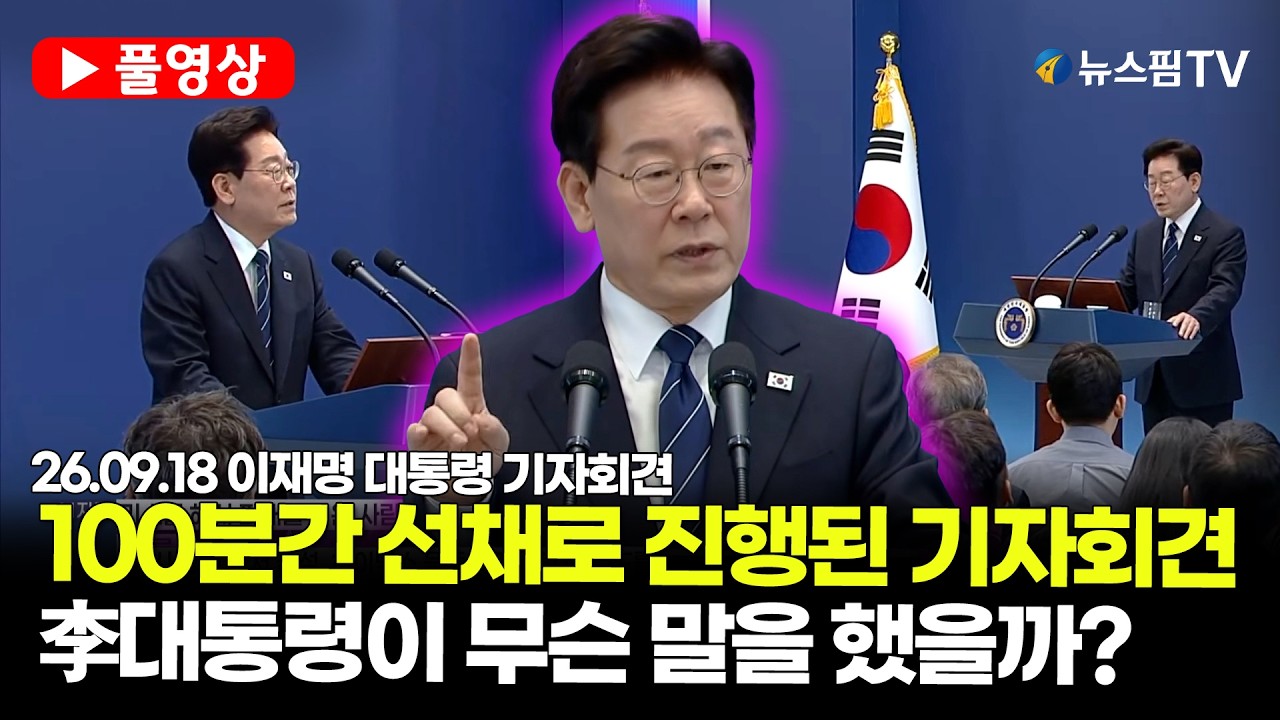
[서울=뉴스핌] 김미경 기자 = 이재명 대통령이 18일 기자회견을 하루 앞둔 17일 공식 일정을 최소화하고 회견 준비에 몰두했다.
이 대통령은 지난 14일부터 3일간 중앙아시아 5개국 정상과 연쇄 회담을 하고 1차 한-중앙아시아 정상회의를 주재하며 외교 일정으로 숨가쁘게 지냈다.
이 대통령이 기자회견 일정을 18일로 정한 것도 외교 일정을 모두 마무리하고 하루 정도 준비하는 시간이 필요하다는 판단을 한 것으로 보인다.
이 대통령은 이날 통상 목요일에 열던 수석보좌관회의도 없이 파티 비롤 국제에너지기구(IEA) 사무총장을 접견하는 일정만 소화한다.
이재명 대통령이 취임 1주녁 기자회견에서 주택공급을 위해 재건축·재개발도 속도를 내야한다고 말했다. [사진=청와대]
◆청와대 "국민이 궁금한 국정 현안, 진솔하게 소통할 것"
이 대통령은 비롤 사무총장 접견 외 나머지 시간은 회견 준비에 쓸 것으로 예상된다. 이 대통령은 참모들에게서 분야별 핵심 쟁점과 추진 방향을 보고받고 예상 질문을 추려 답변을 거듭 다듬는 것으로 알려졌다.
회견은 18일 오전 10시 청와대 영빈관에서 열린다. 모두발언과 질의응답, 마무리 발언을 합쳐 90분가량 진행한다는 계획이다. 기자회견에는 내·외신 기자 150여 명이 참석한다.
질의응답은 정치·외교와 정책·경제 두 분야로 나눠 주제 제한 없이 진행하고 실시간 국민 댓글도 소개한다.
청와대는 회견 제목을 수식어 없이 '이재명 대통령 기자회견'으로 정했다. 회견장 배경막에는 '국민의 뜻, 국민의 삶, 더 살피겠습니다'라는 문구를 건다.
성기홍 청와대 홍보소통수석은 지난 15일 브리핑에서 "대통령의 확고한 개혁 의지와 민생 최우선 국정 기조, 더 단단한 국민 통합의 메시지를 전하는 자리가 될 것"이라고 했다. 이어 "국민이 궁금해하고 듣고 싶어 하는 국정 현안을 진솔하고 충실하게 소통하려 한다"고 설명했다.
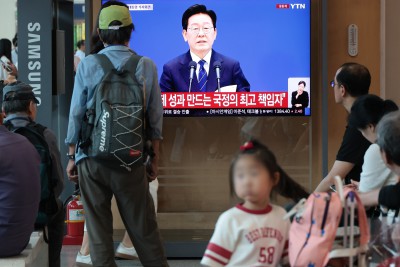
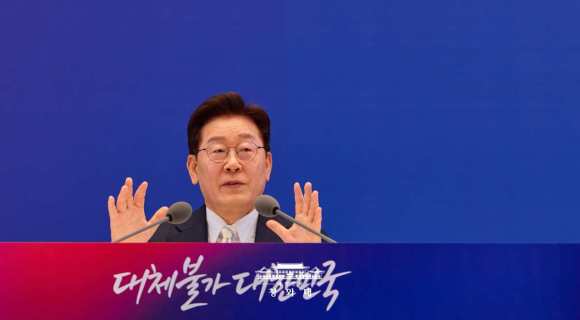
[서울=뉴스핌] 이건주 기자 = 8일 오전 서울 중구 하나은행 딜링룸에서 이재명 대통령 취임 1주년 기자회견 '대체불가 대한민국'이 생중계되고 있다. 2026.06.08 kunjoo@newspim.com
◆연임·공소취소·파병 정치 현안에 부동산·증시 민생 현안 산적
회견의 관심은 산적한 현안에 이 대통령이 과연 명확한 입장을 밝힐 것인지다.
특히 공소 취소와 연임 헌법 개정(개헌) 논란은 피할 수 없는 질문이다. 집권 여당인 더불어민주당은 '조작기소 특검법안'을 9월 중 처리하겠다고 예고했다.
특검에 공소취소 권한을 줄지가 핵심 쟁점이다. 이 대통령 사건 공소 취소를 앞장서 주장했던 김승원 의원이 법무부 장관 후보자로 지명됐고 민주당 주도로 국회 인사청문 경과보고서가 채택됨에 따라 야권의 공세는 더 거세졌다.
인사 검증 문제에 대한 언론의 질의도 예상된다. 용혜인 전 성평등가족부 장관 후보자는 자진사퇴했고 김승원 후보자는 '식약처 청탁 의혹'에 휩싸였다.
미국 요청에 따른 호르무즈 해협 파병 검토와 대미 투자 협상 관련 질문도 이 대통령에게는 고난도 문제다.
민생 현안으로는 부동산이 첫손에 꼽힌다. 정부는 취임 후 8·13 대책을 포함해 6차례 부동산 대책을 내놨다.
하지만 한국부동산원 집계에 따르면 서울 아파트 주간 매매 가격이 지난해 2월 첫째 주부터 83주 연속 올랐다.
문재인 정부 시절 세운 최장 기록(85주)에 바짝 다가섰다. 강남 3구 집값은 약세로 돌아섰지만 수도권 중저가 아파트값이 오르고 전세 매물 품귀와 월세 상승이 이어지고 있다. 부동산 정책 효과에 대한 논란이 적지 않다.
이재명 대통령이 8일 청와대 영빈관에서 취임 1주년 기자회견을 하고 있다. 2026.06.08 [사진=청와대]
◆이 대통령 "임기는 헌법상 명확하게 제한"…이번엔 어떤 답 낼까
이 대통령이 앞서 일부 현안에 짧게 입장을 밝히기는 했지만 대체로 원론적 언급에 그친 경우가 많았다.
연임 개헌 논란을 두고는 프랑스 국빈방문 중이던 지난 9일(현지시간) 파리 동포 오찬간담회에서 "(대통령) 임기는 헌법상 명확하게 제한돼 있다"고 했다.
취임 초 해외 순방을 자주 다니는 이유를 설명하는 차원의 언급이었지만 연임 논란을 의식한 우회적 입장 표명이라는 해석이다.
공소 취소와 관련해서는 지난 6월 8일 진행한 취임 1주년 회견에서 "(조작기소 여부의) 진상 규명은 해야 한다"는 원론적 답변을 내놨다.
이 대통령은 당시 공소 취소 특검에 대한 질문을 받고 "결론적으로 법과 상식대로 하면 된다"며 "최소한의 진상규명을 해야 한다"고 했다.
이 대통령은 "뭔가 문제는 있어 보인다. 주관적 판단은 있지만 객관적으로도 문제가 있어 보이는 것이 꽤 많다"며 "잘못된 게 있으면 바로 잡고 없으면 그냥 놔두면 된다. 잘못됐으면 취소하고 잘못된 게 아니면 놔두는 것"이라고 했다.
사실상 공소가 잘못됐으면 바로 잡아야 한다는 취지의 설명이었다.
◆여권에서도 "공소취소·연임 명확한 입장 내야" 목소리 강해
야권뿐 아니라 여권에서도 이 대통령이 민감한 현안에 대해 명확한 입장 표명을 해야 한다는 목소리가 강하다.
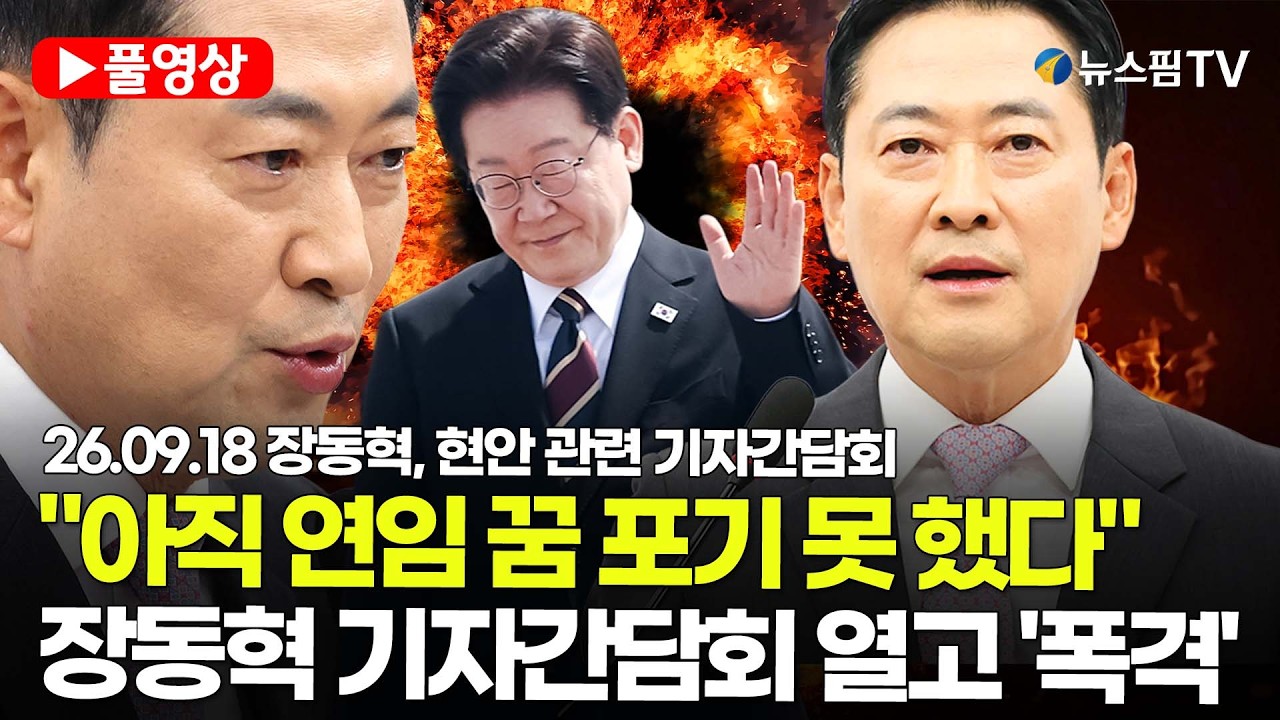
장동혁 국민의힘 대표는 이날 최고위원회의에서 "기자회견이 의미가 있으려면 그동안의 오만과 무능부터 국민에게 사과해야 한다"며 "부동산과 이란 파병 문제 등 모든 정책에서 국정 기조 대전환을 선언하고 국민이 납득할 분명한 답을 내놓길 바란다"고 요구했다.
한병도 민주당 원내대표는 정책조정회의에서 "기자회견은 국민 목소리를 경청하고 국정 현안을 두고 진솔한 대화를 나누는 소통의 장이 될 것"이라고 강조했다.
이광재 민주당 의원은 "공소 취소는 정무적이고 정치적인 문제이니 대통령이 언급할 것으로 본다"고 했다.
여권의 한 중진 의원은 "대통령이 연임 개헌이나 공소 취소와 관련해 명확한 입장을 내놓지 않는다면 향후 국정 운영이 쉽지 않을 것"이라고 우려했다.
이재명 대통령이 8일 청와대 영빈관에서 취임 1주년 기자회견을 하고 있다. 2026.06.08 [사진=청와대]
◆9주 연속 지지율 하락…추석 전 기자회견, 반등 할까
이번 기자회견은 추석 연휴를 앞두고 열리는 만큼 지지율 반등의 분수령으로 꼽힌다.
여론조사 전문기관 리얼미터가 14일 공개한 9월 2주차 주간동향(에너지경제신문 의뢰, 7~11일, 무선 자동응답 방식 조사, 표본오차는 95% 신뢰수준에 ±2.0%포인트, 중앙선거여론조사심의위원회 홈페이지 참조)을 살펴보면 이 대통령의 국정수행 긍정평가는 9주 연속 하락해 취임 후 최저치인 33.8%였다. 부정평가는 63.3%로 처음 60%대에 올라섰다.
리얼미터는 외교 행보에도 개각 인선 논란과 호르무즈 파병 검토, 부동산 정책 불확실성이 겹친 데다 진보층과 20대 이탈이 더해진 것을 하락 주요 원인으로 분석했다.
한국갤럽이 17일 발표한 '2026 대한민국 신뢰도 조사'(시사IN 의뢰, 6~8일, 유선전화와 휴대전화 무작위 전화걸기 전화면접조사)에서는 이 대통령이 정치인 중 2위로 내려앉았다. 이 대통령은 2021년 이후 해당 조사에서 줄곧 가장 신뢰하는 정치인 1위였다. 올해 조사에서는 한동훈 무소속 의원에게 1위를 내줬다.
이 대통령에 대한 신뢰도 조사에서는 '신뢰한다' 35.9%, '불신한다' 50.4%였다. 지난해 조사에서는 이 대통령을 신뢰한다는 응답이 51.2%, 불신한다는 응답이 34.1%였다. 신뢰와 불신의 국민 평가가 1년 만에 뒤집어졌다.
the13ook@newspim.com
2026-09-17 14:37