
Remarks by Vice Chairman Donald L. KohnAt the European Economics and Financial Centre Seminar, House of Commons, London, England July 6, 2006 Reflections on Globalization and Policies I am pleased to have the opportunity to return to the Houses of Parliament. I say "return" because I appeared here once previously, before the Treasury Select Committee to testify on my report on monetary policy processes at the Bank of England. Two memories stand out from that visit: One is of the mouse that ran across the floor as we were eating lunch--I am sure it could not have been a rat in these precincts; the other is of the thoughtful, informed character of the give and take with the members of the committee, who, perhaps, were just being relatively nice to a visitor from a central bank with only ninety years of history at the time. In the past few years, the global economy has enjoyed low inflation and robust growth. This is an experience to which policymakers of all varieties have contributed. But today I am not going to address the prospects for the global economy to extend that progress in the near term. Chairman Bernanke, in his congressional testimony later this month, will address the immediate outlook for activity and prices in the United States and the global economy more generally, and the recent conduct of monetary policy. Instead, I thought I would step back and think about the implications of some longer-term trends for economic performance and for policies, monetary and other. In particular I want to concentrate on several aspects of the reduction of barriers to trade, capital flows, and labor migration--often encapsulated in the word "globalization." First, I will talk about the extent to which globalization has itself contributed to the low-inflation environment in the United States. But the freer flows around the globe have probably also contributed to the size and persistence of global imbalances--the current account deficit of the United States and the surplus of the rest of the world. I will next spend a few minutes on the causes of these imbalances, how they might unwind, and the policies that should be put in place to raise the odds on orderly adjustment. Globalization and InflationAlthough inflation is ultimately a monetary phenomenon, it is important to stress the word "ultimately" in that formulation. The long run in which monetary policy exerts its influence on nominal magnitudes is the summation of individual short runs in which pressures in labor and product markets help to shape price dynamics. In the world in which we live, it seems natural to expect, as others have argued, that the greater integration of product and financial markets would have exerted some downward pressure on inflation. I cannot look back at the experience in the United States over the past decade without discerning the imprint of such forces. The opening up of China and India, in particular, represents a potentially huge increase in the global supply of mainly lower-skilled workers. And it is clear that the low cost of production in these and other emerging economies has led to a geographic shift in production toward them; from a U.S. perspective, the ratio of imported goods to domestically produced goods has risen noticeably in recent years.However, the extent of the disinflationary forces let loose by this shift in the pace of globalization is less obvious. The United States is more open, but it is also large in size and scope. Many U.S. goods and most services are still produced domestically with little competition from abroad. In addition, the significant expansion of production in China and elsewhere has put substantial upward pressure on the prices of oil and other commodities, many of which are imported for use as inputs to production in the United States. While we can point to types of goods for which prices are restrained by forces from abroad, the net effects of globalization on domestic inflation of all goods and services need not even be negative, especially in today’s environment of strong global growth. One challenge in assessing the effect of increased globalization is the paucity of empirical research on this issue, which is understandable given the shortness of the span over which these forces have been particularly acute. Nevertheless, the existing research does highlight several channels through which globalization might have helped to hold down domestic inflation in recent years. These channels include the direct and indirect effects on domestic inflation of lower import prices, a heightened sensitivity of domestic inflation to foreign demand conditions and perhaps less sensitivity to domestic demand conditions, downward pressure on domestic wage growth, and upward pressure on domestic productivity growth. Let me summarize the empirical evidence from work on U.S. inflation my colleagues and I have done at the Federal Reserve Board, as well as from our readings of other studies. In the United States, the increase in core import prices since the mid-1990s has averaged about 1-1/2 percentage points less per year than the increase in core consumer prices. According to our model, the direct and indirect effects of this decline in the relative price of imports held down core inflation by between 1/2 and 1 percentage point per year over this period, an estimated effect that is substantially larger than it would have been in earlier decades. However, much of the decline in import prices during this period was probably driven by the appreciation of the dollar in the late 1990s and the effects of technological change on goods prices rather than by the growing integration of world markets. In addition, import prices have risen at least as rapidly as core consumer prices over the past several years and thus no longer appear to be acting as a significant restraint on inflation in the United States. A second aspect of the hypothesis is that as economies become more integrated, their domestic inflation will be less sensitive to domestic demand pressures and more sensitive to foreign demand conditions than it was earlier. While this seems eminently plausible, recognize that this is a partial-equilibrium effect, identifying one, among many, determinants of inflation, and consequently difficult to verify empirically. Most researchers, in fact, agree that inflation in the United States is less sensitive to domestic demand conditions today than it was twenty years ago. But numerous researchers have attributed this persistently low inflation to the improved credibility of monetary policy. In that regard, most of the decline in the sensitivity of U.S. inflation to the domestic unemployment gap occurred in the 1980s--too early to be associated with the more recent acceleration in the pace of globalization and more coincident with the sea change in the attitude toward inflation worldwide. This aspect of the globalization hypothesis, however, would be bolstered if the decline in the sensitivity of inflation to domestic demand was accompanied by an increased sensitivity to foreign demand. Efforts to find such a link have met with mixed results, with some researchers having found large effects and others having found no effect. Our own analysis of this issue indicates that these results are sensitive to how the foreign output gap is defined and to how the inflation model is specified, suggesting that any effect may not be especially robust. That said, the difficulties with measuring slack in the U.S. economy are compounded when describing the global economy, making settlement of this issue especially difficult. Similarly, the evidence that globalization has helped to restrain unit labor costs in recent years is not definitive. One hypothesis is that the increase in the supply of low-skilled workers associated with the emergence of China and other East Asian countries as low-cost centers of production has damped the growth of nominal wages in the United States. But a stable statistical relationship between labor compensation and various measures of globalization has eluded researchers. However, many of the changes are relatively recent, giving empiricists few observations. And, in that regard, the recent behavior of some, though not all, measures of aggregate compensation seem to have been somewhat lower than models would have predicted. Of course, several purely domestic factors could help to account for any shortfall, such as the aftereffects of the unusually sluggish recovery in job growth early in this expansion or a possible downward drift in the natural rate of unemployment. But it also is a pattern that would be consistent with downward pressures from an expansion in global labor supply. In support of this link, some studies have found a relationship between industry wage growth and import penetration, and between the relative decline in wages of low-skilled workers and trade, but the effects are generally small. A second possibility is that globalization has restrained unit labor costs by raising productivity. Increasing volumes of trade should bolster productivity as economies concentrate their resources in those sectors in which they are relatively more efficient. But I have seen little direct evidence on the extent to which globalization may have boosted aggregate productivity growth in the United States in recent years. Nevertheless, research at the Board finds that multinational corporations, which may have greater opportunities to realize efficiencies by shifting production locations, accounted for a disproportionate share of aggregate productivity growth in the late 1990s. And some microeconomic studies have found a relationship between global engagement and productivity at the firm level. Thus, it seems possible that the persistently high growth rates of multifactor productivity in recent years in the United States may partly be due to the productivity-enhancing effects of globalization. However, these effects should not be unique to the United States. The fact that many other advanced economies facing similar competitive pressures are not experiencing the same outcome gives me pause. This evidence suggests that the old line of Churchill--that two economists give three different answers to any question--still holds. My own assessment is that, quite naturally, the greater integration of the U.S. economy into a rapidly evolving world economy has affected the dynamics of inflation determination. Unfortunately, huge gaps and puzzles remain in our analysis and empirical testing of various hypotheses related to these effects. But, for the most part, the evidence seems to suggest that to date the effects have been gradual and limited: a greater role for the direct and indirect effects of import prices; possibly some damping of unit labor costs, though less so for prices from this channel judging from high profit margins; and potentially a smaller effect of the domestic output gap and a greater effect of foreign output gaps, but here too the evidence is far from conclusive. In particular, the entry of China, India, and others into the global trading system probably has exerted a modest disinflationary force on prices in the United States in recent years. Moreover, we should recognize that these could be one-off effects to the extent that they reflect the global imbalances that I will speak about next, rather than just the integration of emerging-market economies into the global-trading system. If so, any disinflationary effects could dissipate or even be reversed in coming years. For example, the fact that China and some other emerging-market economies have resisted upward pressure on their exchange rates and are running trade surpluses has undoubtedly contributed to their disinflationary effects on the rest of the world. The prices of their exports are lower than they would be if market forces were given greater scope in foreign exchange markets, and they are supplying more goods and services to the rest of the world than they themselves are demanding. These imbalances are not likely to be sustained indefinitely. The elevated rates of national saving in these economies--and, in some, relatively restrained rates of investment--are not likely to persist in the face of ongoing improvements in the functioning of their financial markets, increases in the depth of their product markets, and fuller development of economic safety nets. As individuals in these countries are increasingly drawn to investing at home and consuming more of their wealth and as their real wages catch up to past productivity gains, the upward pressures on these countries’ currencies will intensify, their demand will come into better alignment with their capacity to produce, cost advantages will decline, and these economies will exert less, if any, downward pressure on inflation in the United States or other advanced economies.Global ImbalancesThe first thing to keep in mind about global imbalances is their scale. The U.S. current account deficit is enormous--on the order of $800 billion or 6-1/2 percent of gross domestic product--and it is not likely to shrink substantially in the immediate future, given the current configuration of economic activity and prices around the world. Obviously, the U.S. deficit has as a counterpart an equal current account surplus in the rest of the world combined, after allowance for gaps in the statistical reporting system. The size and persistence of these imbalances reflects two interrelated forces. First is the gap between spending and production in the United States and a similar gap of opposite sign in the rest of the world. The United States as a whole is spending much more than it is producing. Saving rates are especially low in our household and federal government sectors--both of which are spending more than their current income. This configuration is not so unusual for the government, but it is for households, where low interest rates (until recently) and the rising value and easier accessibility of housing wealth apparently have boosted spending relative to income.Outside the United States, the shortfall of domestic demand relative to production capacity has importantly reflected weak business investment along with high saving rates, a mechanism identified by my colleague, Chairman Bernanke. Low levels of investment relative to profits, sales, and the cost of capital are global, including in the United States. Indeed, it is one reason interest rates have been so low through much of the recent global expansion. In the United States, the shortfall in business demand has been made up for largely by the household sector, as I just noted; for a variety of reasons, that has been less the case in many other countries, especially in Asia, and these countries have, in effect, relied on exports to fill the gap between demand and potential production. The second force affecting global imbalances has been the continuing strong demand for dollar assets, without which exchange rates and other prices already would have adjusted to limit the growth of the imbalances. Arguably, it was this strong demand, in response to the step-up in productivity growth in the United States and the Asian financial crisis, that appreciated the dollar in the late 1990s and initiated the string of large U.S. current account deficits. But the demand has continued this decade, albeit with some fluctuations, financing the growing U.S. current account deficit. Private investors apparently perceive opportunities for relatively high returns on dollar assets in light of the more rapid growth of productivity in the United States than in many other industrialized economies. The attraction of dollar assets likely also is enhanced by the liquid nature of the markets in which they trade and because as collateral these assets are protected by the rule of law and have been a safe haven in times of stress. The globalization of financial markets and the increased willingness of investors to look beyond their own borders for opportunities may well have facilitated the transfer of savings needed to sustain the U.S. current account deficit. In that regard, both the pull of global demands for our assets as well as the push of our needs to finance our trade imbalance explains the current conjuncture.Foreign official holdings of dollar assets also have risen substantially, especially in Asia. Governments there apparently read one lesson of the financial crisis of the 1990s as the need for a large war chest of reserves. In addition, against the backdrop of very high private saving rates, they may be concerned about their ability to generate sufficient domestic demand to provide employment opportunities, in some cases for the growing numbers of people who want to shift from agriculture to higher productivity jobs often in urban areas.Although private and government demands for dollar assets have allowed the U.S. current account deficit and foreign surpluses to persist, these imbalances are not sustainable indefinitely. In the United States, both public and private saving will need to rise to meet the oncoming needs of an aging population. At some point, risk-adjusted returns on investments in the rest of the world will begin to look favorable relative to holding dollar assets. Dollar assets are becoming an increasing proportion of non-U.S. portfolios; this can continue for a time, but not forever. At some point, the United States is going to need to finance its imports with the proceeds of its exports, not with foreign saving. Experience with current account adjustments by industrialized economies--for example, by the United States in the 1980s--suggests that the transition to a more sustainable configuration is not likely to be disruptive. But we cannot be sure, particularly because the U.S. experience is unique given the dollar’s role as a reserve currency and Americans’ relatively favorable returns on assets held abroad. The world economy is in uncharted territory with regard to the size of the imbalances. Various asset markets have experienced rather sharp fluctuations in prices in recent decades, some of which have threatened disruption in the United States and have contributed to sluggish growth elsewhere, as in Japan following the real estate boom and bust; we certainly cannot rule out the possibility of further sharp asset price movements as product prices and spending adjust. Recent research reinforces the common-sense conclusion that no single policy or private action will be sufficient to effect the necessary changes. Adjustment will need to proceed along several dimensions at the same time, including changes in relative prices and in domestic demand around the globe. The Role of PolicyThat observation brings me to my final topic--the role of public policy in addressing these imbalances. Sound public policies will enhance the chances that any transition will be smooth. They can contribute by facilitating needed adjustments in spending, production, and relative prices and by taking steps to foster strong, flexible product and financial markets that are resilient to more abrupt changes in asset prices and spending patterns, cushioning the effect of any such fluctuations on output and product prices. A permanent correction to the spending imbalances in the United States must involve further progress on fiscal discipline and a long-run solution to the financing problems of entitlement programs--Social Security, Medicare, and Medicaid. Without a resolution of these fiscal problems, it would be all the more difficult to bring aggregate production and spending into balance and the resultant intensified pressures on interest rates, as the flow of foreign saving into the United States levels out or declines, would exacerbate adjustment difficulties in other sectors. Smooth adjustment of global current account imbalances cannot be brought about by actions of the United States alone. Our trading partners also need to take steps. Indeed, were U.S. domestic demand to moderate and provide less stimulus abroad in the form of reduced demand for exports from our trading partners, central banks in those countries would need to adjust the stance of monetary policy to maintain full utilization of resources. Moreover, in many cases, the root cause of deficient domestic demand seems to be more structural than cyclical in nature, calling for more micro-oriented measures to promote flexible and efficient labor and product markets. Such initiatives should yield higher productivity growth and more vigorous spending, boosting rates of return on capital investment outside the United States. These changes in turn would boost the demand for U.S. exports and would likely shift portfolio preferences away from dollar-denominated assets. Other public policies, here and abroad, can have an important influence on the transition process by working to facilitate market flexibility. For example, increased exchange rate flexibility in key Asian currencies will be essential to enable the monetary authorities to contain inflation through market-oriented policies rather than inefficient direct controls. Greater flexibility also will enhance the ability of all the world’s economies to adapt to the huge increases in the effective supply of labor and its productivity and in demand that has resulted from these economies becoming part of the global trading system. In addition, the United States and its trading partners should vigorously protect the current degree of the openness of their labor and product markets and should continue to pursue the difficult goal of reducing trade barriers further. These and other types of market flexibility help facilitate needed shifts in spending and prices; without them, rigidities might impede such stabilizing changes, causing adjustments to break out forcefully in other, more disruptive ways. Increased market flexibility would also ease the macroeconomic stabilization burden placed on fiscal and monetary policy--an important consideration, given that policymakers cannot anticipate the nature and incidence of all the elements of the adjustment process. In this regard, prudential regulation is also important because it increases the ability of policymakers to focus on stabilizing aggregate output and inflation. By ensuring that financial institutions are adequately capitalized and are managing risks well, and are in general well prepared to deal with major changes in asset prices, they are in a better position to weather any necessary changes in policy settings. Prudential regulation also decreases the risk that the actions of impaired financial institutions could disrupt the flow of credit and thereby intensify what might already be difficult adjustments. A surge in financial market innovations and shift in trading participants has paralleled the rise in global imbalances in recent years. The Federal Reserve, under the leadership of the Federal Reserve Bank of New York, has been working with other regulators in the United States and elsewhere, including the Financial Services Authority in London, along with the private sector to strengthen the infrastructures and risk management around these new markets and participants. Finally, monetary policy plays a role in reacting to these imbalances and their inevitable unwinding. I start my thinking on this topic from the premise that monetary policy--in the United States or elsewhere--has not been a major factor behind the increases in global imbalances. As I argued a little while ago, the imbalances reflect saving and investment behavior along with demands for assets in various economies. To be sure, spending and production respond to changes in interest rates, but how the balance between the two is affected by policy is not clear. Policies to affect demand might have offsetting influences on relative prices. For example, a tighter monetary policy in the United States might damp demand but could also appreciate the exchange rate, with ambiguous effects on the current account. As a consequence, monetary policies are not well suited to initiate current account adjustments. These imbalances certainly affect the forces of supply and demand and have consequences for price stability. At the Federal Reserve and at other central banks, we have been reacting to the changes in spending and prices that have accompanied the buildup of these imbalances in ways intended to keep inflation low and stable and our economies producing near their maximum sustainable potential. The imbalances are important to us in so far as they affect the macroeconomy, and in this regard they are just a few of the factors that the Federal Reserve considers in assessing the prospects for price and output stability. Similarly, we will need to take account of any influences on the macroeconomy of the unwinding of the imbalances when that occurs. Continued strong demand for dollar assets will be critical to keeping that unwinding smooth and not disruptive. The Federal Reserve can contribute by being sure the public remains confident that the purchasing power of their dollar assets will not erode unexpectedly. As long as inflation expectations remain contained, relatively faster growth of the prices of imported goods for a time would be associated with only a temporary bulge in inflation and would result in a needed change in relative prices. The lesson from the 1970s, however, is that an unchecked or permanent increase in inflation would only feed back adversely on demand for dollars. Such an unmooring of the anchor of price stability could only elevate the odds on abrupt changes in interest rates and asset prices, instability in the U.S. economy, and disorder in global adjustments.---------------------------------------------------------------------------Footnotes1. These views are my own and not necessarily those of other members of the Board of Governors and the Federal Open Market Committee.

[관련키워드]




[뉴스핌 베스트 기사]
 사진
트럼프 '레임덕' 오나…민주당 상·하원 '싹쓸이'
[서울=뉴스핌] 최원진 기자= 2026년 미국 중간선거에서 민주당이 연방 상·하원 주도권을 모두 휩쓰는 '블루 웨이브(Blue Wave·민주당 대승의 파도)'를 일으켰다.
3일(현지시간) 밤, 아직 개표가 한창인 가운데 미국 주요 방송사들은 민주당의 상·하원 다수당 석권을 일제히 예측 보도했다. 민주당은 상원에서 이미 과반인 51석 이상을 확보한 데 이어, 하원에서도 과반(218석)을 무난히 넘기는 대승을 거둘 것으로 보인다.
도널드 트럼프 행정부 2기 전반기의 성적표 격인 이번 선거에서 민주당이 대승을 거둔 것은 그야말로 '트럼프 심판론'의 압도적 승리였다. 관세 정책과 이란 전쟁 장기화에 따른 고유가·고물가가 미국인들의 표심을 결정적으로 돌려놓았다.
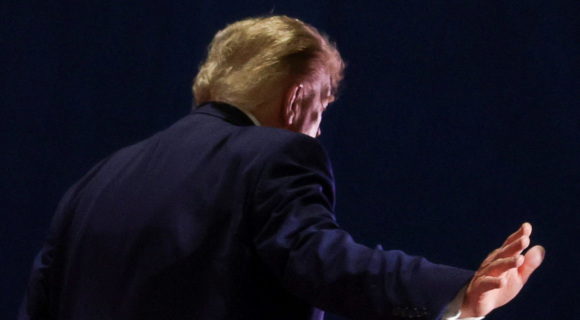
지난 10월 26일(현지시간) 미국 미시시피주 코린스에서 공화당 상원의원 신디 하이드스미스를 위해 지원유세에 나선 도널드 트럼프 대통령이 무대에서 내려오는 모습. [사진=로이터 뉴스핌]
NBC, CNN, CBS 등 미 주요 방송사의 의뢰로 여론조사기관 SSRS가 실시해 이날 발표한 출구조사 결과에 따르면, 전체 응답자의 75%가 "현재 미국 경제 상황이 악화됐다"고 답했다. 특히 유권자의 65%는 "트럼프 대통령의 정책이 경제를 더 악화시켰다"고 응답했으며, 62%는 고물가의 책임이 트럼프 대통령에게 있다고 지목했다.
유권자 10명 중 4명 이상인 43%는 "트럼프 대통령에게 심판표를 던지기 위해 투표소에 나왔다"고 밝혔다. 이는 상원 승패를 결정지을 핵심 경합주인 조지아, 오하이오, 미시간, 텍사스 4곳에서도 트럼프 대통령에 대한 부정 평가가 과반을 넘어서며 공화당 후보들에게 뼈아픈 악재로 작용했다.
지난 2024년 대선에서 트럼프 승리의 견인차 역할을 했던 핵심 유권자층의 이탈 징후도 포착됐다. 히스패닉(라틴계) 유권자 중 민주당 지지율은 2024년 39%에서 올해 43%로 반등했다. 이는 불법 이민자 단속 등 트럼프 행정부의 강경한 반이민 정책이 라틴계 표심의 반감을 사면서 나타난 결과로 풀이된다.
이날 밤 개표 상황을 지켜본 트럼프 대통령은 뉴욕타임스(NYT)와의 전화 인터뷰에서 "중간선거 결과를 수용할 의향이 분명히 있다(absolutely willing)"며 민주당과 협력할 준비가 돼 있다고 밝혀 일단 패배를 인정하는 모습을 보였다.
그러나 폭스뉴스와의 인터뷰에서는 "이란과의 전쟁이 공화당 선거 패배에 일조했다"고 입장을 밝히는 한편, 민주당이 "터무니없는(insane)" 법안을 내놓을 경우 대통령 거부권(Veto·비토)을 족족 행사하겠다고 강조하며 날을 세웠다.
◆ 입법 주도권 상실… 트럼프 '미스터 비토' 전략과 행정명령 우회
여소야대(與小野大) 정국이 형성됨에 따라 트럼프 대통령의 남은 임기 2년 국정 운영 방식은 대대적인 변화가 불가피해졌다. 민주당이 상당한 의석 차로 의회 주도권을 쥠에 따라 주요 국정 과제 관련 입법과 예산안 심의, 인사 청문회 등에서 민주당의 협조 없이는 단 하나의 법안도 통과시키기 어렵게 됐기 때문이다.
트럼프 대통령은 일찌감치 스스로 '미스터 비토(Mr. Veto)'가 될 것임을 경고해 왔다. 그는 지난 1일 폭스뉴스를 통해 선공개된 뉴욕포스트 팟캐스트 인터뷰 예고편에서 "민주당이 의회를 장악하면 아마 내가 '미스터 비토'가 되어야 할 것"이라며 "민주당이 올린 법안에 거부권을 행사하다 보면 그들도 시간 낭비라는 것을 깨닫고 협상 테이블로 나올 것"이라고 언급한 바 있다. 이는 선거 전부터 이미 패배 가능성을 염두에 두고 배수진을 쳤음을 보여준다.
도널드 트럼프 미국 대통령이 2026년 8월 6일(현지시간) 미국 워싱턴DC 백악관 집무실에서 출생시민권 및 폴리실리콘 산업 관련 행정명령에 서명하는 행사에 참석한 모습이다. [사진=로이터 뉴스핌]
그러나 거부권 행사만으로는 국가 예산안 타결이나 행정부 국정 운영을 지속할 수 없는 한계가 명확하다. 이에 따라 입법권이 막힌 트럼프 대통령이 고유 권한인 행정명령(Executive Order)에 집착할 것이라는 관측에 무게가 쏠린다.
로이터 통신은 백악관 소식통을 인용해 백악관이 이미 몇 달 전부터 '여소야대' 정국에 대비해 비밀 대책 수립을 마쳤다고 보도했다. 스티븐 밀러 백악관 부비서실장과 러셀 보트 예산관리국장(OMB) 등 핵심 참모진은 지난 4월부터 법률고문실과 협력해 이민 정책, 관세, 주택 비용 감축 등 의회 승인 없이 행정권한만으로 강행할 수 있는 조치들을 정밀 검토해 왔다.
하지만 행정명령 역시 예산 뒷받침이 없으면 효력이 제한적인 데다, 사법부의 가처분 신청 등에 가로막힐 위험이 크다는 단점이 있다.
◆ 레임덕 회기 속 공화당의 '속전속결' 입법전
민주당이 새 의회의 의사봉을 쥐는 내년 1월 3일 전까지, 공화당이 상·하원 다수당 지위를 유지하는 남아있는 '레임덕 회기' 동안 양당 간의 치열한 입법 전쟁이 벌어질 전망이다. 선거 패배를 직감한 트럼프 행정부와 공화당 지도부는 레임덕 기간을 활용해 시급한 국정과제와 법안, 공직 인준안을 전격 처리하겠다는 방침이다.
우선 과제는 당장 내달 11일 만료되는 연방정부 임시 예산안(CR)의 연장 및 2027 회계연도 정식 예산안 타결이다. 다만 상원 내 필리버스터(합법적 의사진행 방해)를 무력화하려면 60표가 필요해, 민주당과의 타협이 필수적이다. 여의치 않을 경우 국방 예산 등 핵심 부처 안을 먼저 통과시킨 뒤 나머지 항목을 협상 테이블에 올리는 차선책도 거론된다.
2027 회계연도 국방수권법(NDAA) 처리도 시급한 과제다. 현재 하원 안만 통과하고 상원 군사위원회 안은 계류 중이다. 이 역시 민주당의 필리버스터를 고려하면 협상이 필수적이다.
NDAA에는 주한미군 규모 유지, 미 해군 함정 정비·건조 관련 한미 조선 협력 등 한국의 안보 및 통상 이해관계와 직접 결부된 사안들이 다수 포함되어 있어 국내 산업계와 정부도 초유의 관심을 기울이고 있다.
트럼프 행정부 입장에서 가장 시급한 불은 연방정부 부채한도(현 41조 1,000억 달러) 상향이다. 한도 도달이 임박한 상황에서 이를 늘리지 못할 경우 향후 2년 간 국정 수행 자체가 마비될 수 있다. 민주당은 이를 지렛대 삼아 복지 정책 확대를 요구할 태세다.
◆ 민주당의 대대적 청문회와 '트럼프 가족 비즈니스' 조준… 탄핵 국면 재현되나
상·하원 상임위원장 자리를 독식하게 된 민주당은 트럼프 행정부의 정책 실패와 각종 사법 리스크를 향해 대대적인 청문회 폭풍을 예고하고 있다. 이번 의회 조사의 핵심 타깃은 트럼프 대통령과 그의 가족 비즈니스다. 출구조사에서도 고물가에 이어 '부패와 사적 이익 추구'가 주요 불만 이슈로 지목된 만큼 민주당의 고강도 조사는 피할 수 없을 전망이다.
지난 10월 26일(현지시간) 저속 셔터로 촬영한 미국 워싱턴DC의 연방 의회의사당. [사진=로이터 뉴스핌]
로이터의 지난 9월 말 보도에 따르면 트럼프 대통령의 개인 자산은 집권 2기 들어 가상자산, 드론, 인공지능(AI), 예측시장 등으로 영역을 넓히며 약 22억 달러 증가한 것으로 추정된다. 민주당은 민간 기업의 경우 대통령 행정권 특권을 이유로 의회의 자료 제출 요구나 소환장 발급을 거부할 법적 명분이 없다는 점을 집중 공략할 방침이다. 하킴 제프리스 민주당 하원 원내대표 역시 "개원 첫날부터 철저히 책임을 묻겠다"고 공언했다.
주요 조사 대상으로는 트럼프 장남 도널드 트럼프 주니어가 파트너로 있는 '1789캐피털'이 투자한 희토류 스타트업 '벌칸 엘리먼츠'가 거론된다. 이 회사는 투자 불과 3개월 만에 국방부로부터 6억 2,000만 달러 규모의 대출을 승인받아 특혜 의혹을 받고 있다. 또한 대통령 특사 자격으로 중동 국유펀드와 사모펀드 거래를 이어간 맏사위 재러드 쿠슈너의 이해충돌 의혹, 대선 기부의 대가로 세금 감면 혜택을 받은 석유 기업들, 카리브해 바하마 결혼식 비용의 러시아 올리가르히 대납 의혹 등도 파상공세 대상이다.
민주당이 하원 다수당을 차지함에 따라 과거 1기 임기 당시 '우크라이나 스캔들'과 '1·6 의사당 난입 사태' 때처럼 트럼프 대통령에 대한 하원 탄핵소추안을 다시 추진할 가능성도 제기된다.
다만 실제 대통령 파면까지 이어질 가능성은 대단히 낮다. 하원에서는 과반(218석 이상) 찬성으로 탄핵안을 통과시킬 수 있지만, 상원 탄핵 재판에서 최종 유죄를 확정하려면 출석 의원의 3분의 2인 67석 이상의 찬성이 필요하기 때문이다. 민주당이 상원 다수당을 탈환하더라도 의석은 51석을 조금 넘는 수준에 그쳐, 상당한 공화당 상원의원 이탈표를 이끌어내지 못하는 한 상원 문턱을 넘기는 사실상 불가능하다.
결국 트럼프 2기 정부는 남은 임기 동안 민주당의 파상적인 청문회 공격과 하원의 탄핵 시도, 이에 맞선 트럼프 대통령의 연쇄 거부권 행사와 행정명령 강행이 맞물리며 미국 국정이 극심한 대치와 경색 국면에 빠져들 것으로 보인다.
wonjc6@newspim.com
2026-11-04 15:21
 사진
은행·제2금융·증권사 등 보안 모두 뚫렸다
은행을 시작으로 증권사와 카드사 뿐 아니라 저축은행 등 제2금융권까지 해킹 피해가 속출하고 있다. 난공불락으로 여겨졌던 금융사 보안 체계는 외부 공격과 내부 관리 부실 앞에서 허점을 드러냈고 사고를 사전에 탐지하거나 피해를 신속히 차단하는 대응 역량도 도마 위에 올랐다. 뉴스핌은 총 4편의 기획을 통해 업권별 사고 원인과 보안 실태를 규명하고 인공지능(AI) 기반 보안체계 구축과 망분리 규제 개선 및 실질적인 제도 개선 방안 등을 모색한다.
[서울=뉴스핌] 김양섭·김가희 기자 = 국내 금융권이 한 달 넘게 이어진 연쇄 해킹에 업권을 가리지 않고 뚫렸다.
지난달 1일 신한은행의 고객정보 유출 공개 이후 시중은행과 저축은행, 캐피탈사, 새마을금고중앙회로 번진 침해사고는 지난달 말 대신증권과 미래에셋자산운용, 미래에셋생명, 빗썸으로 이어졌고 한양증권에서도 유출이 확인됐다. 금융당국이 지난달 14일 집계한 침해 금융사만 16곳, 유출 정보는 약 10만건이었다.
뚫린 곳은 대부분 핵심 뱅킹망이 아닌 외곽 시스템이었다. 금융당국은 지난달 4일 사고를 세 유형으로 나눴다. 본인확인 없이 대출신청 내역 등을 조회할 수 있던 정보조회 서비스, 기기 접근통제가 빠졌거나 웹 취약점이 있던 프라이빗뱅커(PB)·기업금융 담당자(RM) 등 직원 업무지원 서비스, 이미 알려진 취약점으로 악성코드가 심어져 고객정보가 담긴 로그파일이 빠져나간 홈페이지다.
금융당국이 금융회사 555곳의 자체 보안점검 결과를 공개한 지 2주 만에 증권·보험업권에서 추가 사고가 나오면서 체크리스트 방식 점검의 실효성에도 의문이 제기된다.
[AI 일러스트= 김가희 기자]
◆ 모집인 조회서비스 뚫리자 고객 정보까지…신한 2만5729명·국민 2210명 유출
4일 금융권에 따르면 이번 연쇄 해킹에서 가장 먼저 드러난 신한은행 사고는 모바일 홈페이지 'M신한'의 대출모집인용 조회 서비스에서 시작됐다. 아이디와 비밀번호만 있으면 들어갈 수 있는 서비스였다. 신한은행이 국회에 제출한 자료를 보면 공격자는 9월 28일 저녁부터 고객번호 등 입력값을 무작위로 바꿔 넣으며 조회를 반복했고 휴대전화 인증 우회도 시도했다. 8개국 인터넷 프로토콜(IP) 주소를 바꿔가며 들어왔고, 은행은 15시간26분 뒤에야 이상을 알아챘다.
유출 고객은 2만5729명이다. 이름·전화번호와 연소득, 산출 대출한도 등이 빠져나갔고 주민등록번호 66건과 연계정보(CI) 97건도 포함됐다. 금융당국은 지난달 4일 은행 4곳과 예가람·웰컴저축은행, 현대캐피탈 등 7개사 사고 가운데 여러 곳에서 동일 공격자로 추정되는 IP가 발견됐고 인공지능(AI) 도구를 활용한 정황이 있다고 밝혔다.
비슷한 접근 시도를 받은 우리은행과 NH농협은행에서는 유출이 확인되지 않았다. 우리은행은 대출모집인이 지정 태블릿에서 별도 인증서와 생체인증을 거쳐야 업무시스템에 들어갈 수 있고, 농협은행은 모집인에게 내부망 접속 권한이나 별도 업무시스템을 주지 않는다.
KB국민은행은 직원용 모바일 업무지원 시스템 'RM 에이전트'와 'PB 에이전트'가 뚫렸다. 지난달 2일 고객 119명 유출을 밝혔다가 26일 재조사에서 고객 1631명과 임직원 460명을 추가로 확인해 피해가 2210명으로 늘었다.
하나은행은 영업지원시스템(ODS)에서 고객 89명의 주민등록번호·주소·직장명 등이 유출됐다.
최병호 고려대 휴먼인스파이어드AI연구원 교수는 이번 사고를 개별 회사가 아닌 금융권 전반의 구조적 취약점 문제로 봤다. 그는 "이번 사고는 본사가 아닌 외곽 조직이 털린 것이어서 망분리와는 관계가 없다"며 "외곽 조직은 업무 편리성이나 직원 복지, 매출 때문에 보안 등급을 의도적으로 낮춰온 곳"이라고 말했다.
이어 "과거 인간 해커는 목표를 정해 오래 준비했지만 AI 에이전트는 수천 개가 금융권 전체를 실시간으로 훑다가 취약점을 찾으면 바로 공격한다"며 "관행처럼 해오던 부분을 AI 에이전트가 간파한 것"이라고 진단했다.
[AI 일러스트= 김가희 기자]
◆ 자체점검 '적정' 대신증권도 뚫려…협력사 연계서버서 3만8490명 유출
대신증권은 지난달 17일 투자일임 비대면 계좌개설 연계서버에서 비정상 접근을 포착했다. 고객 3만8490명의 이름·이메일·주소와 암호화된 계좌번호 등 8개 항목이 유출됐다고 지난달 28일 밝혔다.
대신증권은 당국의 12개 항목 자체점검에서 미흡사항이 없다고 보고한 것으로 전해졌으며, 뚫린 연계서버는 당시 점검 대상에 들어 있지 않았다고 밝혔다.
같은 날 미래에셋자산운용도 업무용 웹 시스템에 외부 IP가 비정상 접근해 일부 업무 정보가 유출됐다고 밝혔다. 고객정보 유출은 없었다고 했다. 한양증권도 지난달 29일 외부 그룹웨어에 대한 비정상 접근으로 고객정보 15건을 포함한 개인정보 31건이 유출된 사실을 확인했다. 주민등록번호가 포함된 건은 3건이다.
한 자산운용업계 관계자는 "운용업계는 개인 고객 정보를 직접 다루는 일이 적어 그동안 보안 투자 우선순위가 은행·증권·카드보다 낮았던 게 사실"이라며 "중소형사는 자체 보안 인력을 꾸리기 어려워 전산을 외주에 의존하는 곳이 많은데, 외주업체가 뚫리면 같이 피해를 입는 구조적 위험이 있다"고 말했다.
그는 "대신증권과 미래에셋자산운용 사고가 알려진 뒤 점검 수위가 한 단계 더 올라갔다"며 "외부에 노출된 시스템을 전수 파악해 접근통제를 다시 확인하고 점검 범위를 외주·연계 구간까지 넓히고 있다"고 전했다.
빗썸은 사내 모바일 그룹웨어가 뚫려 고객 6444명과 임직원·협력사 직원 715명의 정보가 유출됐다고 지난달 29일 밝혔다. 고객 844명분은 암호화되지 않은 채 노출됐고 주민등록번호·신분증 사본 등이 포함됐다. 빗썸은 당국 자체점검 때 최신 보안패치 적용이 미흡하다고 보고했던 것으로 전해졌다.
보험사 가운데 처음 해킹 유출을 신고한 미래에셋생명은 지난달 25일 이상 징후를 발견했다. 홈페이지와 청약시스템 일부가 침해돼 이름·주민등록번호·계좌번호 등 홈페이지 서비스 관련 정보가 빠져나갔다. 유출 규모는 아직 확정되지 않았다.
◆ 10년 된 데이터베이스 쓰던 예가람 4만3246명 유출…웰컴·현대캐피탈은 닷새 뒤 인지
예가람저축은행에서는 고객 4만3246명의 정보가 유출됐다. 규모가 공개된 사례 가운데 가장 많고 상반기 말 거래자(16만2731명)의 4분의 1이 넘는다. 이 중 320명은 주민등록번호·계좌번호·거래내역 등 다른 항목까지 빠져나갔다. 해커는 9월 16일 고객정보 서버에 접근했지만 은행은 14일 뒤에야 이를 알아챘다.
국정감사에서는 침해 관련 시스템에 2016년 출시된 구버전 데이터베이스(DB) '레디스(Redis) 3.0.7'이 쓰였고 1년 전 공개된 취약점도 패치되지 않은 상태였다는 지적이 나왔다. 예가람저축은행은 사고 당시 금융보안원 회원사도 아니었다.
OK저축은행은 지난달 11일 대출신청 웹페이지, 15일 모바일 수신서비스 홈페이지가 잇따라 뚫려 고객 250명의 연소득·대출금액 등과 268명의 계좌번호·잔액 등이 유출됐다.
웰컴저축은행과 현대캐피탈은 9월 27일 공격을 받고도 닷새 뒤 금융보안원이 공유한 공격 IP로 접속 기록을 살피다 침해를 확인했다. 웰컴저축은행에서는 법인 인터넷뱅킹 아이디·대표자 이름 등 2370건(중복 포함)이 유출됐다. 현대캐피탈은 주택대출 모집인 조회페이지가 공격받아 모집인 146명의 주민등록번호가 노출됐다.
새마을금고중앙회 공제 홈페이지에서도 회원 400여명의 정보가 빠져나갔고, 중앙회는 약 60시간 뒤 금융보안원이 전달한 의심 IP를 분석하고서야 이를 알았다.
김명주 인공지능안전연구소(AISI) 소장은 최 교수와 달리 뚫리지 않은 회사도 있는 만큼 개별 회사의 문제로 봐야 한다고 했다. 그는 "기업마다 부가서비스로 했거나 보안을 등한시했던 부분이 계속 뚫리고 있다"며 "금융권도 보안을 비용으로 보기 때문에 사고가 안 나면 아까운 돈이다 보니 몇 년씩 사고가 없자 늘려야 할 투자를 계속 줄이다가 이번에 터진 것"이라고 말했다.
실제 금융권 정보보호 인력 비중은 수년째 10%를 밑돈다. 금융감독원이 강민국 국민의힘 의원실에 제출한 자료를 보면 올해 6월 말 7개 업권의 정보기술(IT) 인력 2만7508명 가운데 정보보호 인력은 2654명(9.6%)으로, 은행(8.8%)과 증권(9.5%)은 평균에도 못 미쳤다.
◆ 555곳 중 130곳 '미흡'…패치·인증·관제 기본 항목서 구멍
금융위원회가 지난달 14일 공개한 긴급 자체점검에서 금융회사 555곳 가운데 130곳(23.4%)이 보안패치 미적용, 기술지원이 끝난 노후 시스템 관리 미흡, 24시간 보안관제 미구축, 대외시스템 인증·인가 누락, 다중인증(MFA) 미도입 등 미흡사항을 보고했다. 나머지 425곳은 '적정'으로 보고했다.
신진창 금융위 사무처장은 지난달 14일 "수 차례에 걸쳐 전수점검과 관리 강화를 주문했음에도 금융회사에서 기본적인 부분이 잘 지켜지지 않는 사례가 발견된 것은 매우 뼈아픈 부분"이라고 말했다.
금융감독원도 금융권의 이행이 충분하지 않다고 판단했다. 사고 전부터 기본 보안 통제 보완과 외부 접점 악용 주의 등을 전파했고, 긴급 체크리스트 점검 때 필수적인 경우를 빼고 외부 접근을 원칙적으로 차단하도록 했지만 가시적인 변화가 나타나지 않았다는 것이다.
이찬진 금감원장은 전날 임원회의에서 "사고 회사가 유의사항과 자체점검을 제대로 이행했는지 살피고, 종합금융투자사업자·보험사 등 대형 금융회사도 은행권과 같이 CEO 등 경영진 책임까지 엄중하게 물으라"고 지시했다. 대부업·가상자산업·온라인투자연계금융업 등 전자금융거래법 미적용사를 포함한 전 금융권의 외부 접점을 전수 점검하고, 형식적 점검에 그친 곳은 엄중 조치하라고도 했다. 오는 5일에는 이억원 금융위원장이 5대 시중은행장·금융협회장 등과 간담회를 열고 AI 해킹 대응 방안을 논의한다.
최 교수는 미국·유럽처럼 외부 공격을 가정해 취약점을 찾는 '레드팀' 점검을 상시화해야 한다고 했다. 그는 "그동안은 체크리스트로 점검하거나 자기 보고에 의존해 보고할 때는 문제가 없다고 했을 것"이라며 "정부가 보안 품질을 평가하거나 보안 성과를 공시해 주가에 반영되도록 하면 기업이 돈을 쓸 수밖에 없는 구조가 된다"고 말했다.
김 소장은 보안을 투자로 보는 인식과 CEO가 책임지는 구조를 개선 과제로 꼽았다. 그는 "지금은 CEO가 아니라 개인정보·정보보호 담당자가 책임을 지고, 사고가 나면 그 사람을 잘라버리면 끝"이라며 "갈수록 AI를 쓴 공격이 늘어날 텐데 이전 보안 시스템으로는 막을 수 없는 만큼 은행도 AI 시스템을 갖춰 미리 방어에 신경 써야 한다"고 말했다.
[사진=금융위원회]
ssup825@newspim.com
2026-11-04 06:00